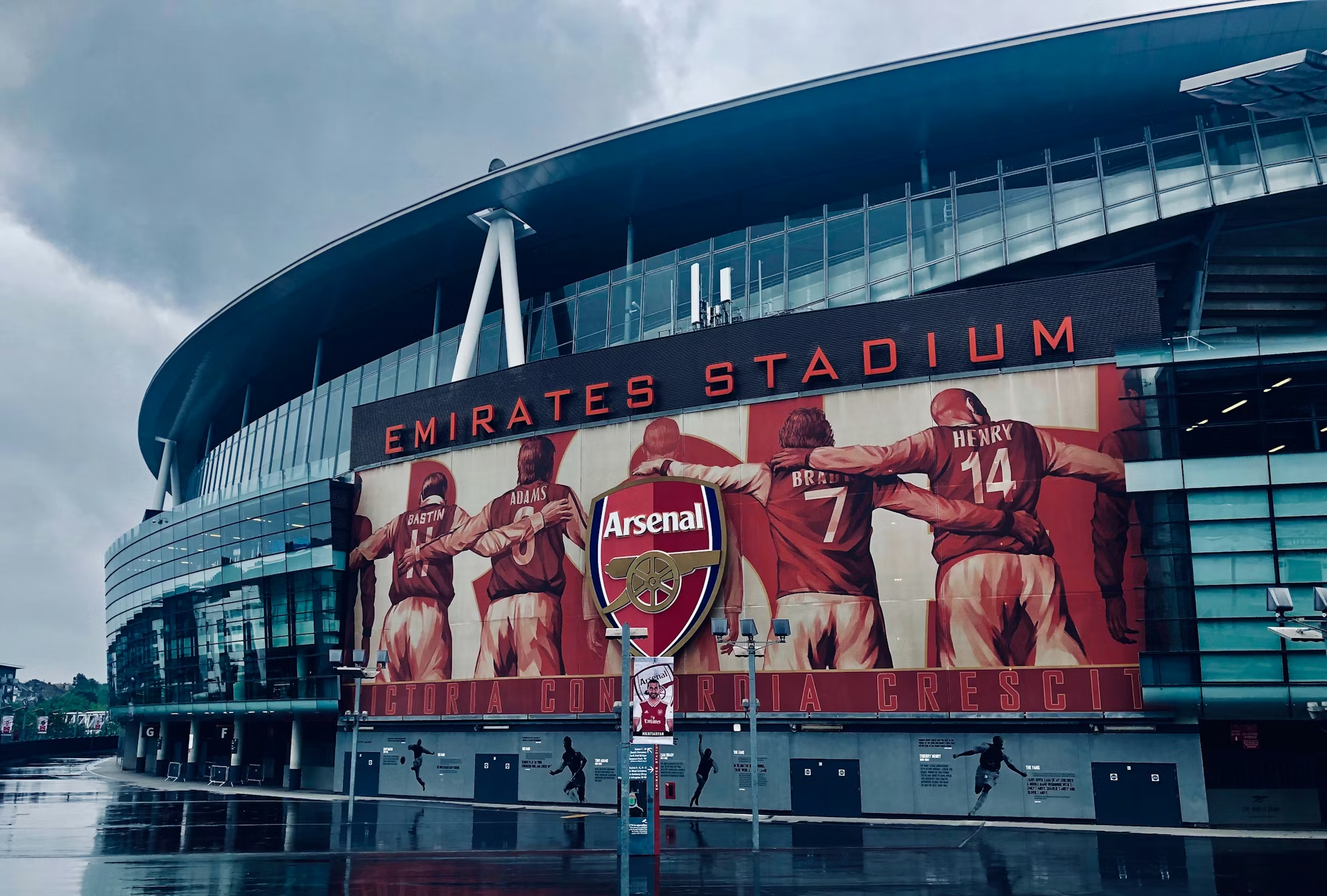
Sports stadiums are more than just venues for athletic events; they are powerful engines of economic growth that can transform local communities. The presence of a stadium often leads to significant job creation, increased tourism, and urban development. This article examines the multifaceted economic impact of sports stadiums, highlighting their role in revitalizing neighborhoods and driving local economies.
Job Creation and Employment Opportunities
One of the most immediate economic benefits of a sports stadium is job creation. The construction of a new stadium can generate thousands of jobs, ranging from construction workers to architects and engineers. For instance, the construction of the U.S. Bank Stadium in Minneapolis created approximately 7,500 construction jobs, injecting vital income into the local economy.
Once a stadium is operational, it continues to provide employment opportunities for community members. From game-day staff, such as ushers and concessions workers, to full-time roles in management, marketing, and maintenance, stadiums can create a diverse range of jobs. For example, the Mercedes-Benz Stadium in Atlanta employs over 2,000 staff members on a permanent basis, not including the seasonal workers brought on for events.
Boosting Tourism and Local Businesses
Stadiums also serve as significant attractions for tourists, contributing to increased foot traffic in surrounding areas. Major events, such as championship games, concerts, and festivals, draw fans from near and far, benefiting local hotels, restaurants, and shops. According to a study conducted by the National Sports Travel Association, visitors attending sporting events typically spend more than $1 billion annually in the U.S. alone.
For instance, when the Super Bowl was hosted at the MetLife Stadium in New Jersey, it was estimated that the event generated over $500 million in economic impact for the region. Hotels filled to capacity, local eateries experienced a surge in customers, and retail shops saw increased sales during the lead-up to the game. Such events showcase the stadium’s role as a catalyst for economic activity in local communities.
Urban Development and Revitalization
The construction of sports stadiums often acts as a catalyst for urban development, leading to revitalization of neighborhoods. Cities recognize that a new stadium can transform an underdeveloped area into a thriving district. This revitalization often includes infrastructure improvements, public transportation enhancements, and the development of surrounding amenities such as parks, restaurants, and entertainment venues.
A prime example is the transformation seen in the area around the Chase Center in San Francisco. The new arena spurred the development of the surrounding Mission Bay neighborhood, which now boasts new retail spaces, public parks, and residential units. This type of development not only improves the local landscape but also increases property values, benefiting residents and investors alike.
Community Engagement and Support
Beyond economic metrics, sports stadiums often engage with local communities in meaningful ways. Many teams and stadiums implement community outreach programs aimed at supporting local schools, charities, and youth sports. These initiatives foster a sense of connection between the team and the community, enhancing the overall value of the stadium beyond its financial impact.
For example, the Seattle Seahawks are known for their commitment to community service, often collaborating with local organizations to promote education and wellness programs. Such engagements help build a loyal fan base and enhance the social fabric of the community.
Long-Term Economic Sustainability
While the initial economic impact of a new stadium can be substantial, it is essential to consider long-term sustainability. Ongoing operational costs, maintenance, and the need for regular updates can strain local budgets. It’s crucial for city officials and stakeholders to carefully assess the long-term viability of stadium projects and ensure they provide ongoing economic benefits.
To mitigate these challenges, many cities explore public-private partnerships that can help distribute costs and risks associated with stadium operations. By engaging with private investors and sponsors, cities can secure funding for necessary upgrades and maintenance, ensuring that the stadium continues to be an asset to the community.
Case Study: The Impact of Fenway Park
Fenway Park in Boston serves as a compelling case study in the economic impact of sports stadiums. As one of the oldest and most beloved baseball stadiums in the country, Fenway Park not only contributes to the local economy through direct employment and tourism but also plays a vital role in Boston’s cultural identity.
The park attracts millions of visitors each year, many of whom are not only there for the games but also to experience the historic significance of the venue. This influx of visitors supports local businesses, from restaurants to souvenir shops, demonstrating how a well-established stadium can maintain its economic relevance over time.
Conclusion
The economic impact of sports stadiums on local communities is multifaceted and significant. From job creation and tourism to urban revitalization, these venues play a crucial role in enhancing the economic vitality of their regions. However, for cities to maximize the benefits of sports stadiums, careful planning and long-term strategies are essential.
As communities continue to embrace sports as a means of economic development, the focus should remain on creating sustainable, inclusive environments that benefit all residents. By fostering a strong partnership between local governments, sports teams, and community members, stadiums can continue to serve as vital assets that drive economic growth and enhance community pride.
