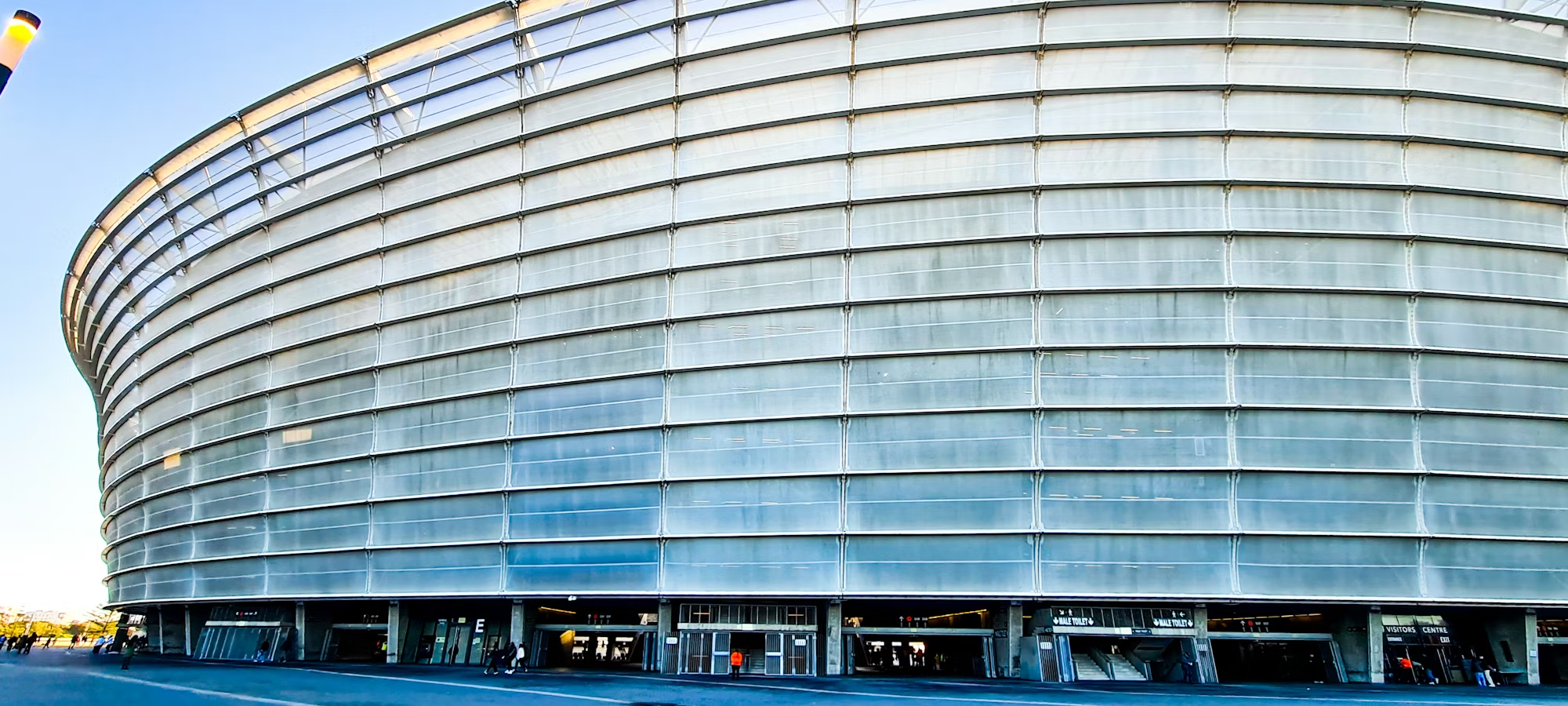
Sports stadiums are often viewed as monumental structures dedicated solely to athletic events, but their influence extends far beyond the games played within their walls. These venues serve as economic catalysts that contribute significantly to local communities in various ways, including job creation, tourism, and urban development. Understanding the multifaceted benefits of sports stadiums reveals their crucial role in enhancing the vibrancy of local economies.
One of the most immediate economic impacts of sports stadiums is job creation. The construction of a new stadium often involves a considerable workforce, providing employment opportunities for local residents. Skilled laborers, contractors, and support staff are needed during the construction phase, which can last several years. Once the stadium is completed, additional jobs are generated in various sectors, including hospitality, security, maintenance, and event management. For instance, the opening of the Mercedes-Benz Stadium in Atlanta not only created thousands of jobs during its construction but continues to provide steady employment for residents in the area through its regular events.
Moreover, sports stadiums stimulate the local economy by attracting a diverse range of visitors. Major sporting events draw fans from outside the region, leading to increased spending on hotels, restaurants, and local attractions. When teams host playoff games or special events, the influx of visitors can significantly boost local businesses. For example, cities like Kansas City and New Orleans have reported notable increases in tourism revenue during major sporting events, showcasing how a stadium can transform an area into a bustling hub of activity.
The role of stadiums in tourism extends beyond just game days. Many stadiums have become tourist attractions in their own right, offering tours, merchandise, and events that engage visitors year-round. Iconic venues such as Fenway Park in Boston and Camp Nou in Barcelona draw millions of tourists annually, providing not only an economic boost but also enhancing the city’s cultural identity. These stadiums become symbols of pride and heritage, contributing to the city’s narrative and fostering a sense of community among residents and visitors alike.
Beyond direct economic benefits, sports stadiums play a vital role in urban development and revitalization. Cities often invest in stadium projects as part of broader urban renewal initiatives, aiming to revitalize underdeveloped areas. For instance, the development of the Barclays Center in Brooklyn was integral to the transformation of the surrounding neighborhood. The construction of the arena spurred additional investments in retail, housing, and public infrastructure, creating a vibrant community space that attracts residents and visitors alike.
Additionally, the presence of a sports stadium can lead to increased property values in the surrounding areas. Proximity to a stadium often makes neighborhoods more desirable, as residents appreciate the entertainment options available nearby. This can lead to higher demand for housing and increased rental prices, contributing to a revitalized real estate market. While this may pose challenges for existing residents, strategic planning and community engagement can help mitigate potential negative impacts, ensuring that the benefits of stadium development are shared equitably.
Community engagement is an essential aspect of maximizing the positive economic impact of sports stadiums. Many teams and stadiums actively participate in community initiatives, supporting local charities and engaging in outreach programs. These efforts help to build strong relationships with residents, ensuring that the benefits of the stadium extend beyond just economic contributions. Programs that offer youth sports initiatives or educational opportunities can create lasting positive effects on the community, fostering goodwill and enhancing the stadium’s reputation as a community asset.
Furthermore, sports stadiums can serve as venues for a variety of events beyond sports, such as concerts, festivals, and community gatherings. This versatility allows them to operate year-round, maximizing their economic contribution to the local community. Events like music festivals or cultural celebrations can attract large crowds, providing additional revenue streams for local businesses. The ability to host diverse events enhances the stadium’s role as a community hub, reinforcing its position as an integral part of the local economy.
However, the economic impact of sports stadiums is not without its challenges. The substantial public investment required for stadium construction can lead to debates over funding priorities. Critics often question whether taxpayer dollars should be allocated to sports venues when pressing community needs, such as education and healthcare, require attention. To address these concerns, it is crucial for city planners and team owners to engage in transparent discussions with the community, demonstrating how the stadium’s benefits can outweigh costs.
In conclusion, sports stadiums are much more than just venues for athletic competitions; they are powerful economic engines that significantly impact local communities. Through job creation, tourism, urban development, and community engagement, stadiums contribute to the vibrancy and sustainability of the economies they serve. As cities continue to invest in these monumental structures, it is essential to recognize their multifaceted benefits and foster a collaborative approach that maximizes positive outcomes for all stakeholders involved. By doing so, communities can ensure that their sports stadiums serve as catalysts for growth and development for generations to come.
